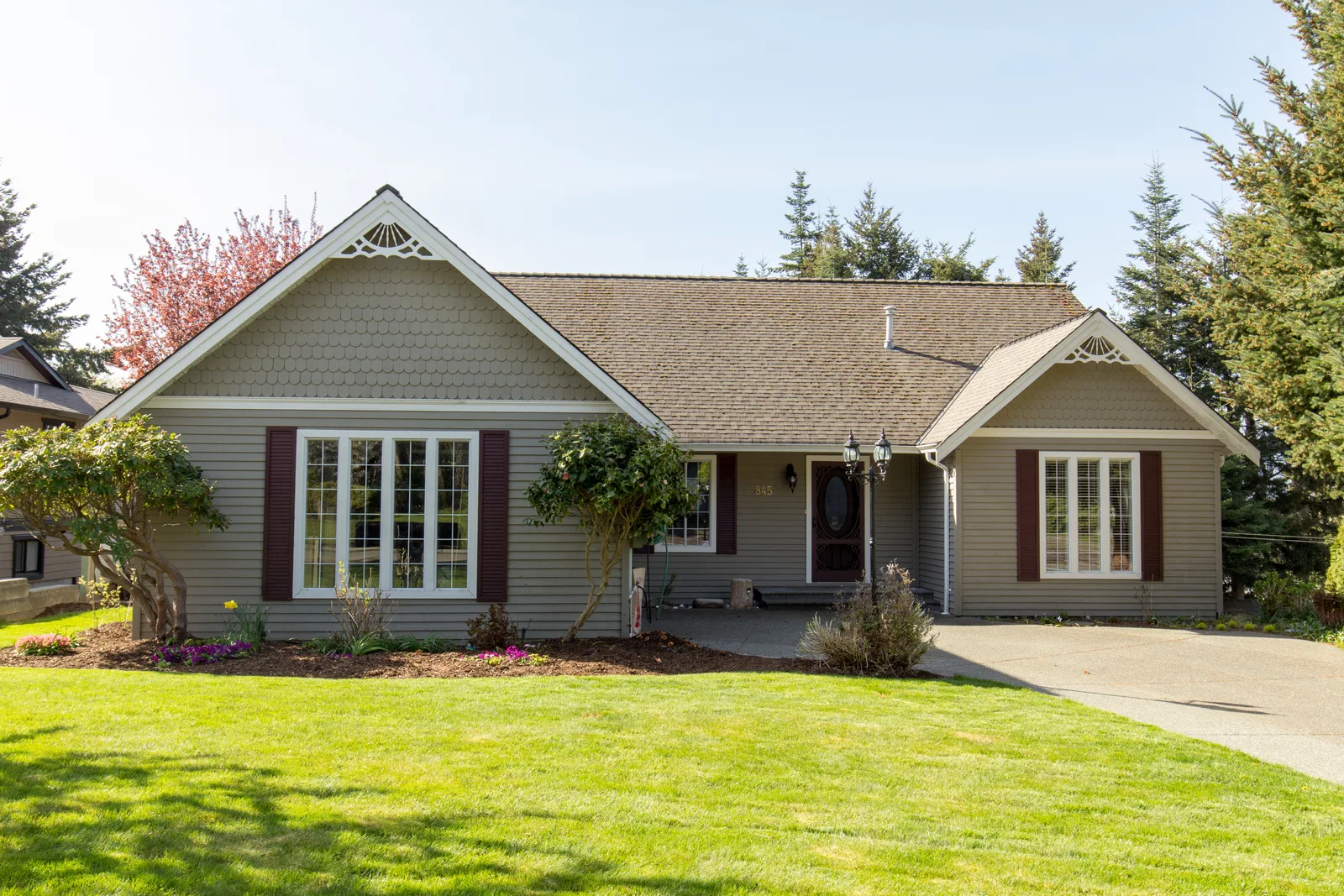
Read color over a full slope
Small samples show granule blends at close range. The roof is viewed across a larger slope in different daylight, so the final appearance relates to siding, brick and trim as well as the sample.
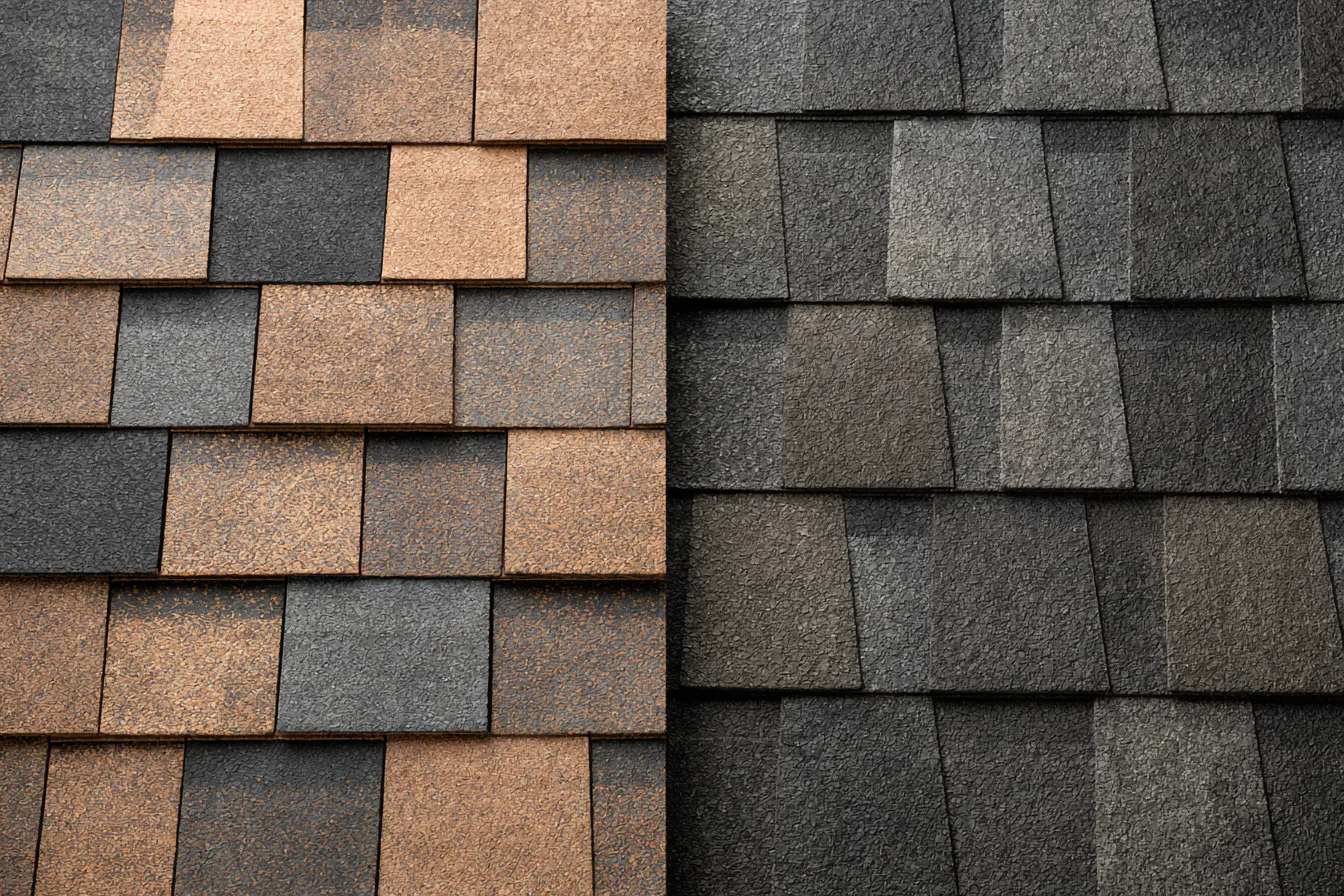
Appearance matters. So do the shingle construction, tested ratings and the roof details beneath it.
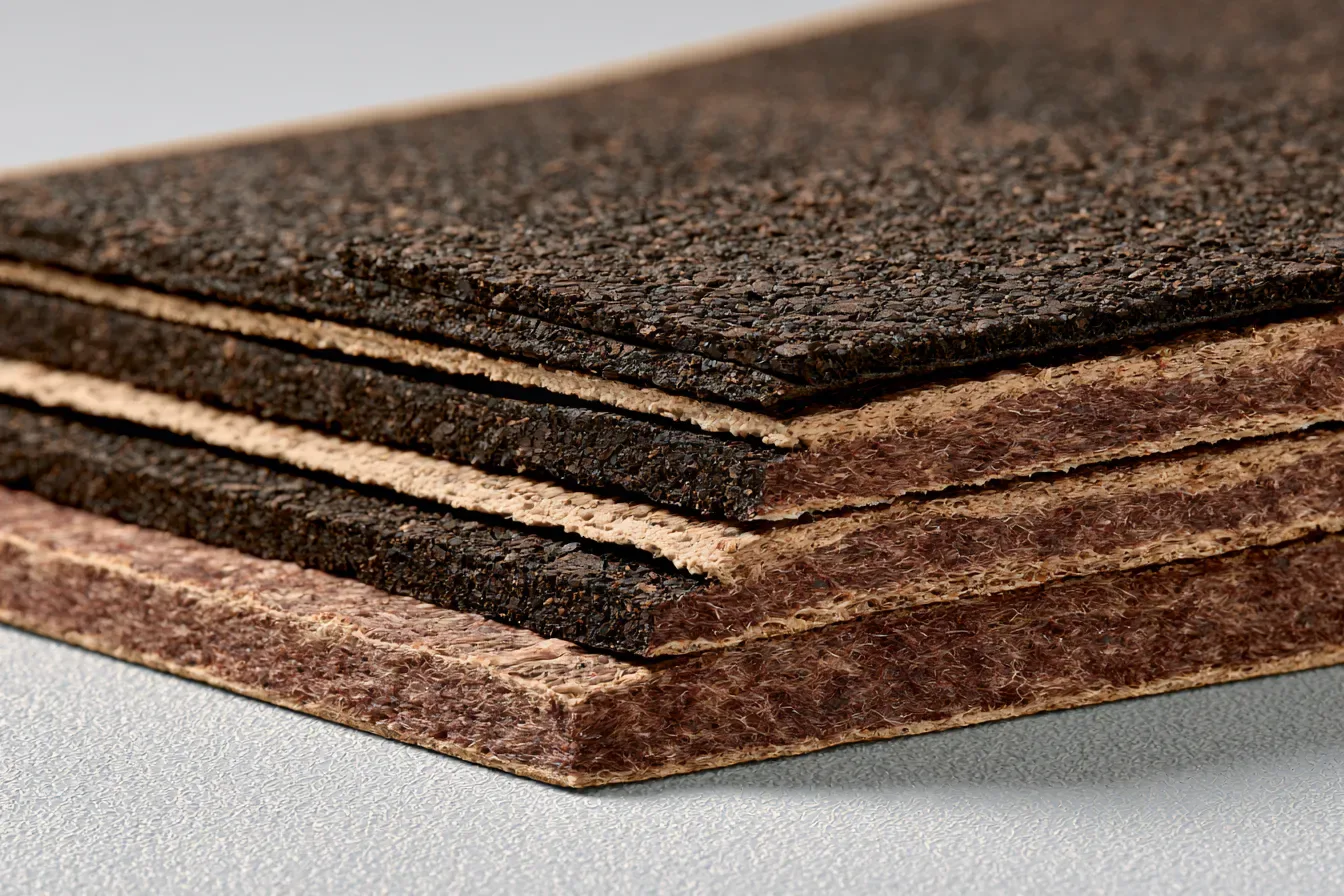
Architectural shingles use a layered appearance, while designer shingles create a heavier or more distinctive profile. Three-tab shingles have a flatter, repeating shape. These construction choices are separate from an impact-resistance classification.
The useful comparison includes the whole roof. Underlayment, flashing, edges, starter courses, ridge details and ventilation must work with the selected product. A product label does not settle the condition of those parts on an existing roof.
Three-tab, architectural and designer describe different shingle forms.
Impact and wind ratings describe separate product tests, not a weather guarantee.
| Choice | What it describes | What still needs checking |
|---|---|---|
| Three-tab | A flatter repeating tab pattern. | Product availability, roof slope and compatibility with the full roof scope. |
| Architectural | Laminated shingles with a dimensional appearance. | The actual model, tested classifications, accessories and installation requirements. |
| Designer | A distinctive heavier-looking profile or shape. | Product weight, details, availability and the installed project budget. |
| Impact-rated | A laboratory-tested impact classification on a specific product. | The exact product rating and any insurer conditions; it is not a hail-proof promise. |
Class 4 is a laboratory impact-resistance classification. It is not a promise that a roof will escape hail damage. Wind performance is a different classification, and the installed roof also depends on attachment and the details at its edges and joints.
The manufacturer explains the testing and its limits in Owens Corning's impact-resistance guide. Any insurance discount depends on the carrier, the product and its requirements.
Small samples show granule blends at close range. The roof is viewed across a larger slope in different daylight, so the final appearance relates to siding, brick and trim as well as the sample.
A new color does not repair a failed wall flashing or a damaged roof deck. Those parts remain part of the replacement work.
Starter, hip and ridge details and ventilation components have their own requirements. A roof system must be assembled for its actual design.
No. Architectural describes construction and appearance; an impact rating belongs to a tested product. The model's actual classifications matter.
No. Discounts and eligibility depend on the carrier and its requirements. A roofing product rating does not decide a policy premium or claim outcome.
A repair needs compatible material and sound surrounding roofing. Color, product availability and weathering also affect how close the repair looks.
Our asphalt roofing page explains repair and replacement considerations.
Tell us about your Edmond roof and the appearance you have in mind. A free inspection helps put the material decision in context.
(405) 705-7117