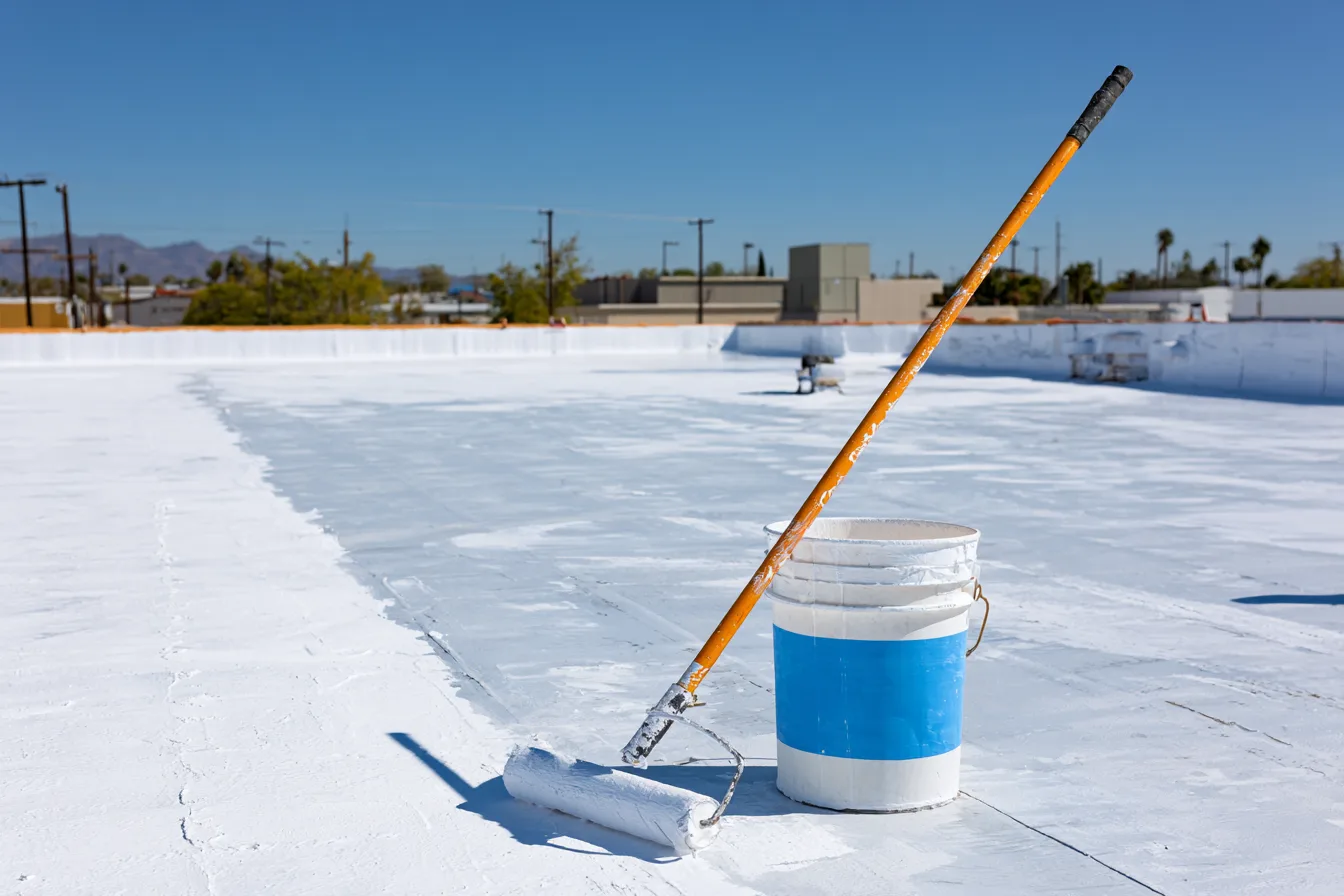
Preparation drives restoration scope
Existing coating condition, cleaning, primers and compatible detail repairs affect cost. Removing and replacing wet material adds work that the coated area alone will not explain.
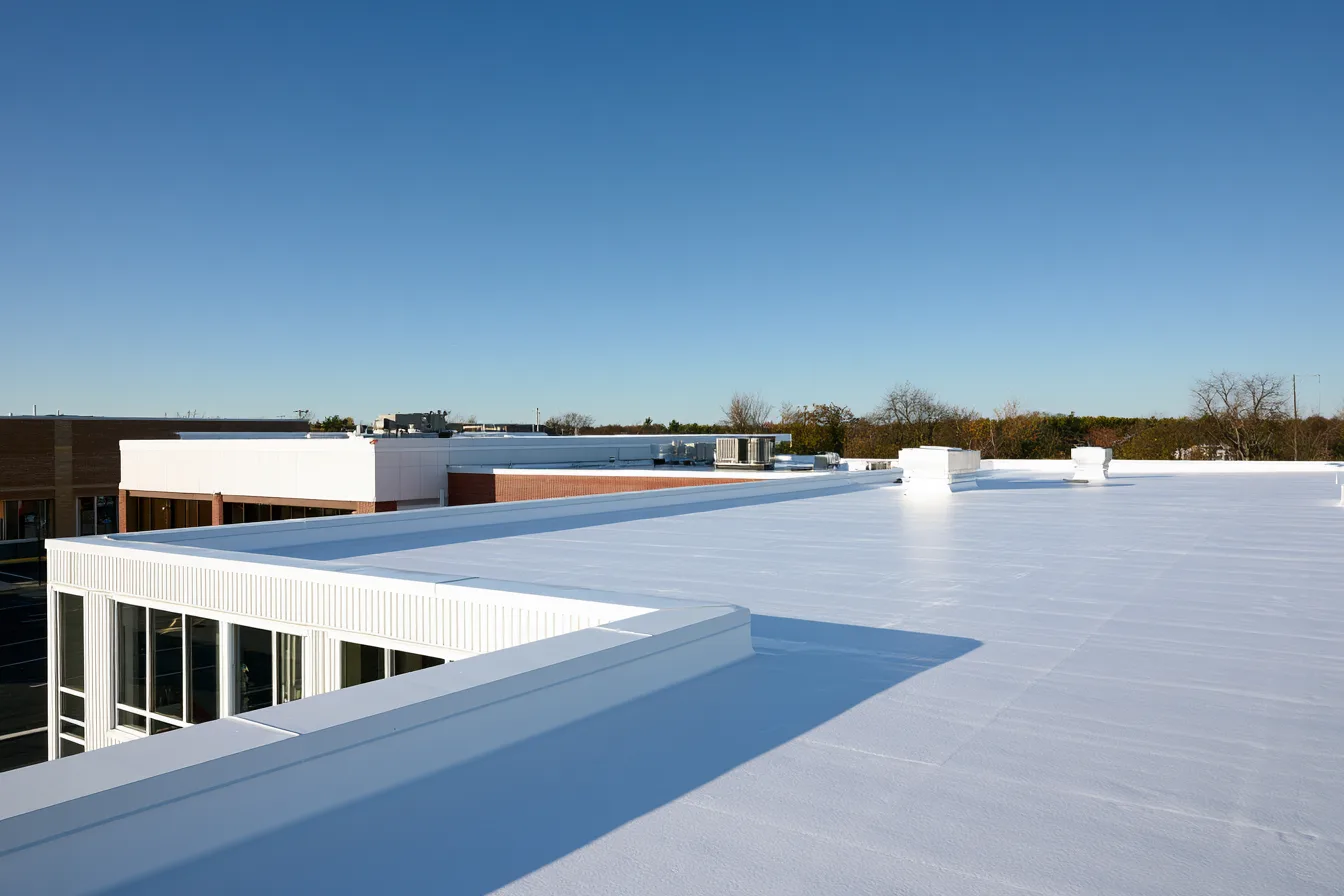
Keep a suitable roof in service with the right preparation and coating. First establish what can stay beneath the new surface.
A coating can extend the use of a suitable commercial roof by adding a compatible protective surface. Its starting point is the roof already on the building. The membrane or metal below, previous repairs, adhesion and moisture condition decide whether restoration makes sense.
Existing leaks need repair before the field is coated. Torn membrane, open joints, failing flashing and damaged metal require their own work. A coating spread over those defects is not the same as rebuilding a sound detail.
Wet insulation also has to be addressed. Coating over the top does not remove trapped water or restore deteriorated support. Where the underlying damage is widespread, replacement can be the more complete project even if a new surface would make the roof look uniform.
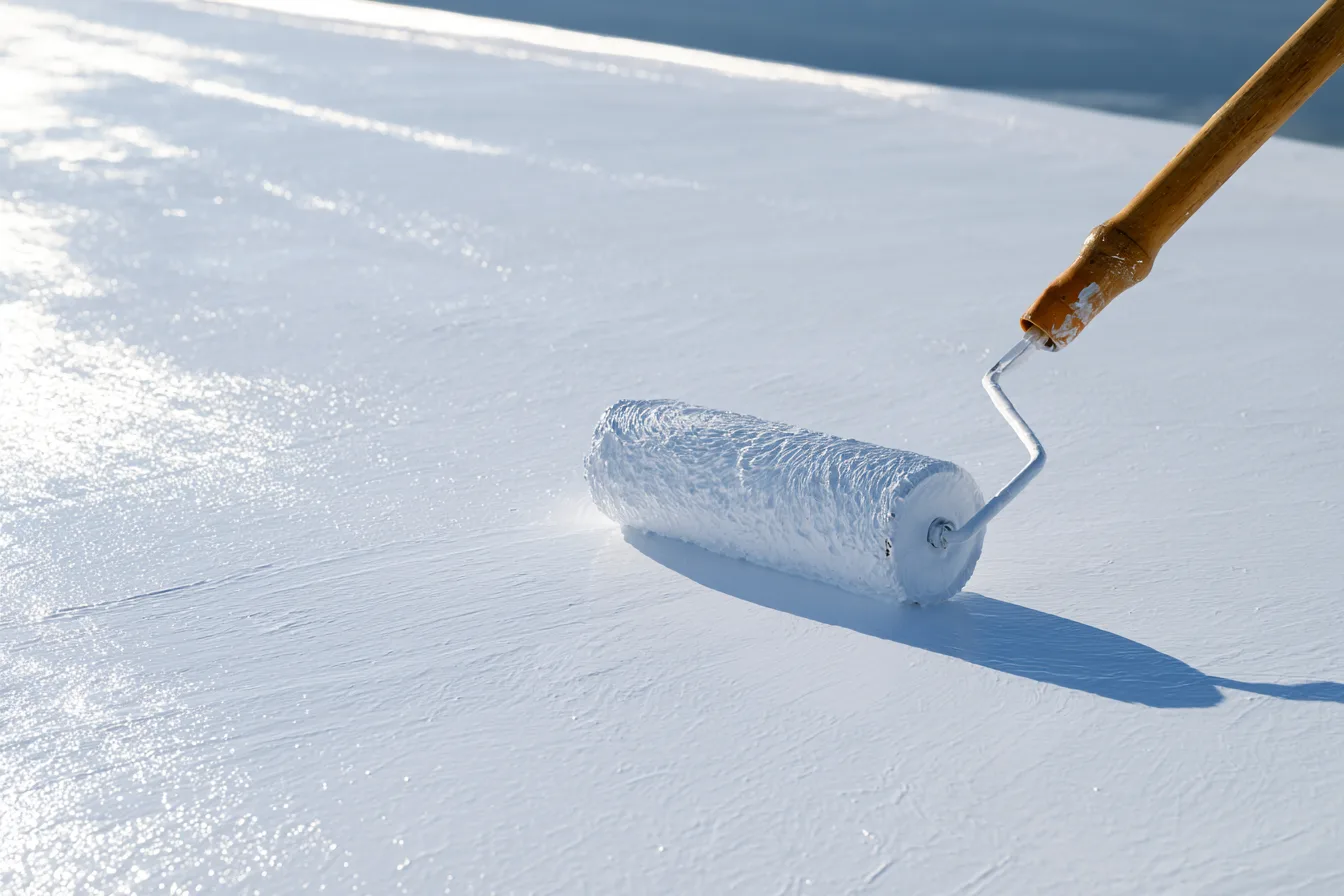
The existing roof and the selected product have to be compatible. A familiar coating name alone does not establish suitability.
| Decision | What it means for this roof |
|---|---|
| Existing membrane or metal | The exact substrate and previous coatings determine preparation, primer and the compatible restoration system. |
| Acrylic or silicone | These are different coating chemistries. Water exposure, substrate compatibility and product requirements determine the selection. |
| Adhesion | A test area establishes whether the prepared surface will accept the specified coating. Failure needs resolution before the roof is covered. |
| Detail treatment | Seams, fasteners, corners and penetrations need their specified repairs or reinforcement rather than only a field coat. |
| Drainage | Water must have an appropriate exit. A ponding-resistant product does not change the roof slope or repair a damaged drain. |
Restoration is a sequence of connected work. Skipping preparation leaves the new material dependent on the condition it covered.
We begin with the roof condition and the causes of leaks or separation. Wet or deteriorated layers, unsound seams and failed flashing change the repair scope before coating is selected.
The roof needs cleaning appropriate to its material, a dry surface and any required primer. Old loose material and contaminants interfere with adhesion. Test areas and the system requirements guide whether preparation is sufficient.
Repairs and reinforcement around roof interruptions precede or accompany the field work as the system requires. Coverage and film thickness follow the selected product, rather than a single heavy coat chosen to hide the old surface.
The application window belongs in the project plan. Roof and air conditions, rain, dew and the time needed for drying or curing affect when a coating can be installed. Different chemistries have different requirements; the product instructions control the work.
Adjacent equipment and surfaces also need protection during application. Where equipment must remain accessible, the service route and coating cure have to be coordinated. A finished coating is not automatically a heavy-traffic surface, so suitable walkways belong where regular servicing needs them.
Continued use depends on the roof beneath the coating and the condition of its details. Future work should account for new penetrations, damage and drainage changes. Restoration does not turn the roof into a surface that can be ignored.
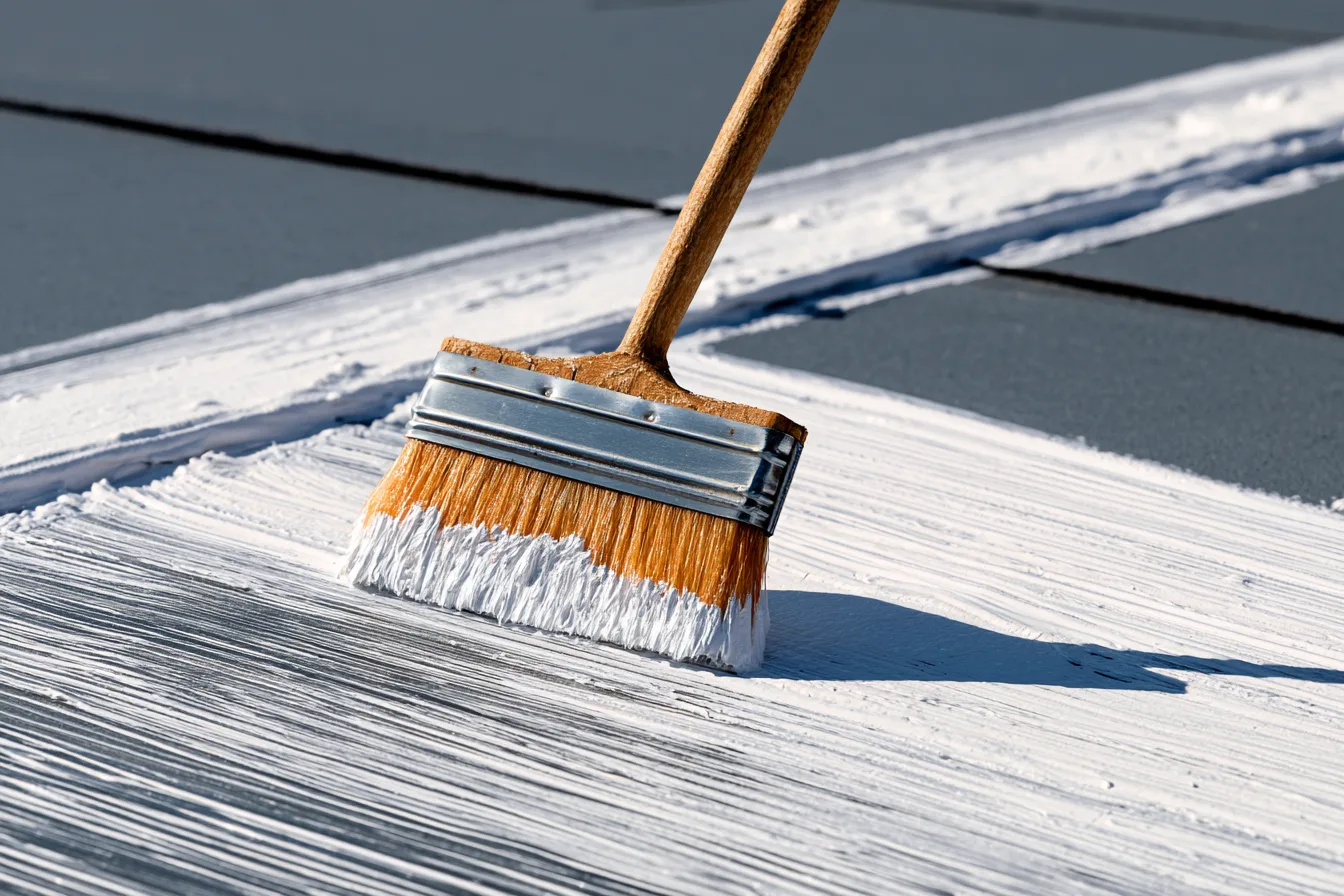
Existing coating condition, cleaning, primers and compatible detail repairs affect cost. Removing and replacing wet material adds work that the coated area alone will not explain.
The selected system, required coverage and the number of seams, fasteners and penetrations influence materials and labor. Tall parapets and intricate equipment details add work beyond the open field.
A coating retains the underlying roof. A recover installs a new assembly over suitable retained layers, while tear-off removes roofing that cannot stay. The commercial roofing comparison explains those choices before restoration is treated as the default.
No. The roof needs a suitable substrate, workable details and compatible adhesion, with leaks and wet layers addressed first. Widespread moisture or deteriorated support can make a coating-only approach unsuitable.
A product selected for ponding-water resistance tolerates a condition; it does not remove the low spot, enlarge an outlet or rebuild a failed drain connection. Drainage and the cause of standing water still need attention in the restoration decision.
A roofing restoration system is specified for a suitable substrate and includes preparation, repairs, detail treatment and a required finished thickness. Applying a general paint or an arbitrary thin surface coat does not perform that work.
Some systems allow renewed coating when the existing roof and coating remain suitable. The later condition, adhesion, product compatibility and necessary repairs decide the next project and the useful life it can support.
Request a free roof inspection. We will start with the existing surface, its details and the condition that decides whether a coating is useful.
(405) 705-7117