Self-adhered systems
These use sheets designed to bond through a prepared adhesive surface. Substrate, preparation and application conditions matter to the bond. A self-adhered product is not interchangeable with a sheet designed for another method.
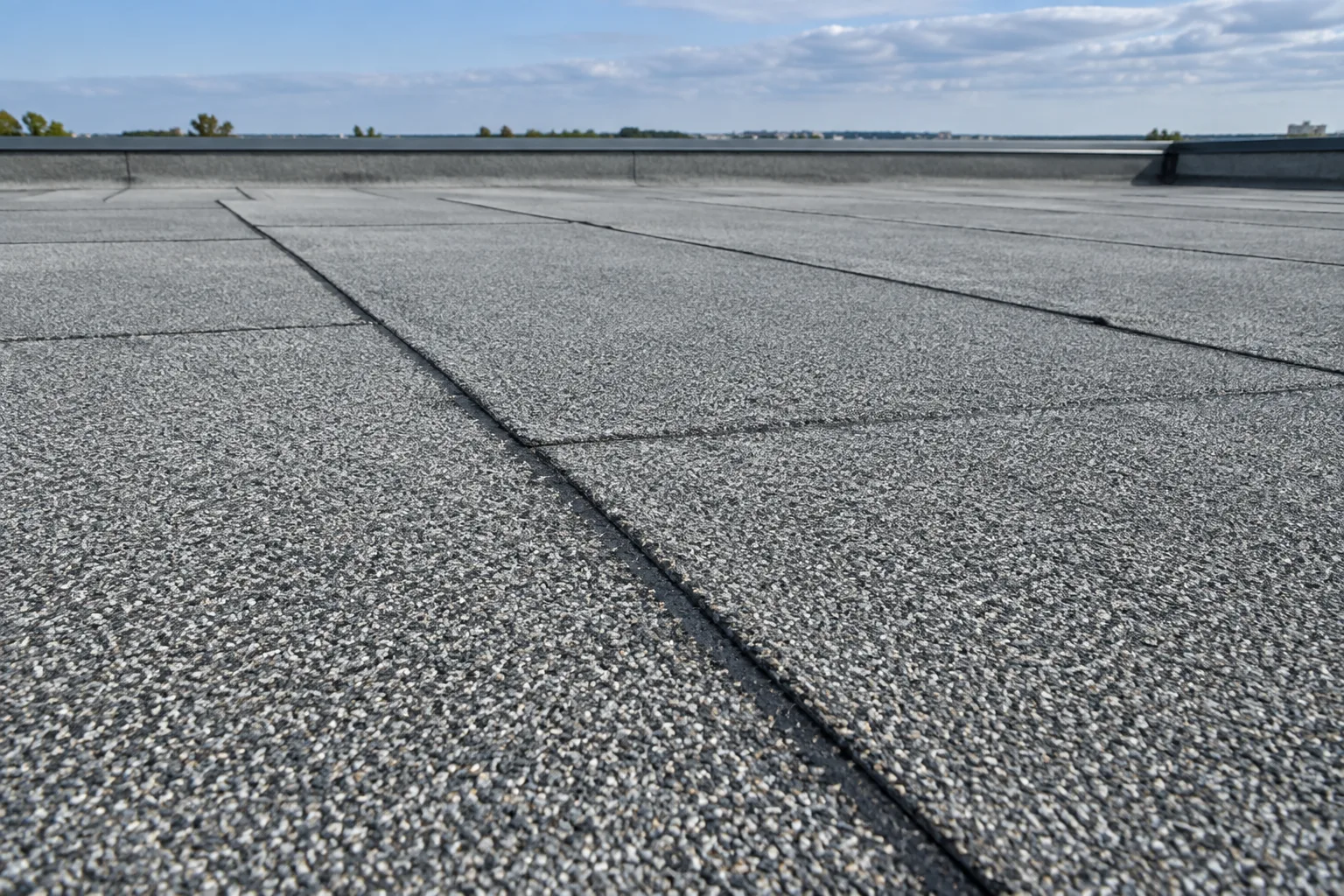
Repair the laps and flashing that protect your building. Start with the asphaltic roof and the layers beneath it.
Modified bitumen uses reinforced asphalt-based roofing sheets, with polymers added to the asphalt. The sheets form a low-slope roof system with laps between courses and separate detailing at walls, openings and roof edges. A granulated cap sheet is one visible finish, not a description of every layer beneath it.
A repair starts by identifying the existing assembly and the failed area. An opening along a sheet lap, a split at an equipment corner and damaged roof-edge flashing call for different detail work. Compatible repair materials need to join suitable surrounding roofing.
The condition below the cap sheet changes the repair boundary. Water held in insulation or damage to supporting layers needs to be addressed before new roofing covers it. Adding more material over the visible defect does not establish that the layers below are serviceable.
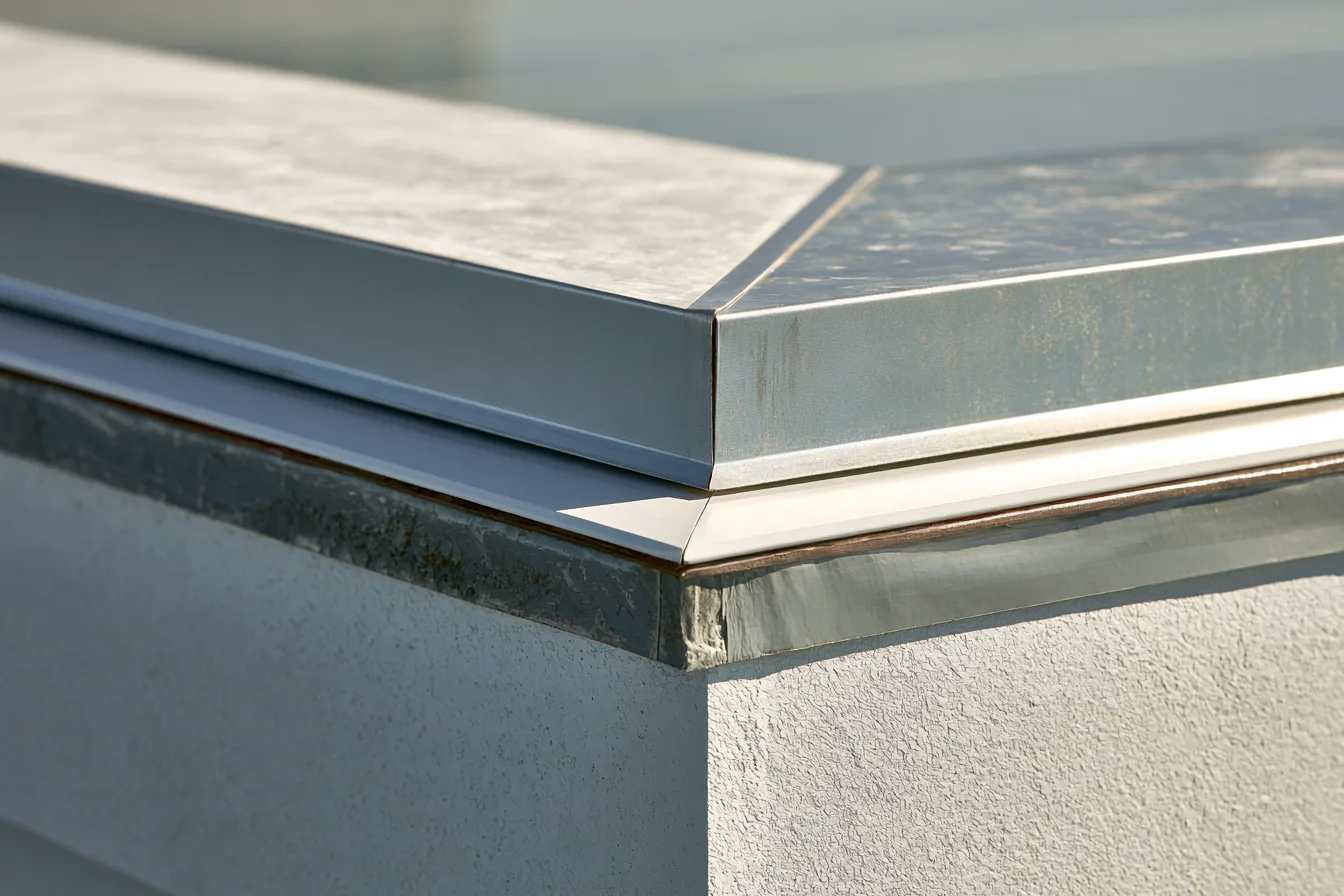
Not every modified-bitumen roof is torch-applied. Application is selected as part of the specified roof system and building conditions.
These use sheets designed to bond through a prepared adhesive surface. Substrate, preparation and application conditions matter to the bond. A self-adhered product is not interchangeable with a sheet designed for another method.
Specified adhesives bond appropriate sheets without using a torch at that application. Compatibility, coverage and curing requirements still control the work. Building use and ventilation around the work area belong in planning.
Some assemblies use heat-welded application suited to the particular sheet and details. The method requires project-specific safety arrangements. It is one system choice rather than a blanket description of modified-bitumen roofing.
| Roof condition or detail | How it changes the project |
|---|---|
| A localized failed lap | A compatible repair must connect to sound sheet and restore the joint, with preparation appropriate to the surfacing. |
| A damaged cap surface | The extent of surface and sheet deterioration determines whether local repair is enough. |
| Flashing at a curb or wall | The transition needs roofing and termination details appropriate to the system and the height change. |
| Moisture in retained layers | Wet insulation and damaged support need a removal and replacement decision before new sheets are installed. |
| A drain or scupper connection | The roof sheets must connect properly to the outlet; an open field patch does not rebuild that connection. |
A local repair fits a serviceable surrounding roof with suitable support and a compatible connection. Several layers of old patches can obscure the original detail and enlarge the amount of preparation or removal needed.
Some asphaltic roofs suit a compatible coating system after repairs, preparation and adhesion checks. Coating does not dry wet layers or fix the roof slope. Commercial roof coatings explains what has to happen before restoration.
Removal becomes a larger part of the answer where deterioration or moisture extends beyond reasonable local repairs. A new assembly should address the insulation, supporting surface, drainage and details together rather than repeat the failed covering alone.
The existing layers and selected application method decide the physical work. They also determine how the building is used during it.
The existing roof composition, moisture condition and deck determine whether local repair, a suitable recover or tear-off is appropriate. Removing multiple layers and replacing damaged support adds work beyond the new sheet area.
Base layers, cap sheet, attachment and flashing need to form a compatible system. Sheet type and application requirements influence labor, materials and the conditions needed during installation.
Removal and installation need a sequence appropriate to the roof and weather. The application method also affects work-zone protection, material staging and the parts of an occupied building that need coordination. The building use, selected system and weather determine the sequence.
Modified-bitumen products are engineered reinforced asphaltic sheets used in specified roof assemblies. A roll shape alone does not establish the material, number of layers or required application. The existing product and assembly determine suitable repair work.
No. Suitable systems include self-adhered, cold-applied and heat-applied methods. The specified sheets, substrate and building conditions determine which method fits the project.
Yes, when a compatible repair can reach sound roofing and the supporting layers are suitable. Wet insulation, deteriorated sheets or an opening at a poorly supported detail can widen the work beyond the visible split.
A cap sheet provides a roof surface; it does not by itself change the slope or rebuild an outlet. Drainage defects and the connection at drains or scuppers need to be addressed in the project so the new roofing has a route for water to leave.
Request a free inspection for a leak, aging roof surface or larger replacement decision. We will start with the existing layers and the work they can support.
(405) 705-7117